What we do

The Zulu System

Zulu Marketing builds ads and service websites that give customers a reason to get in touch. We connect each inquiry to a customer record so your team can follow up, record the sale and see where the customer came from.

Choose a service below, or follow one homeowner from the ad to a recorded sale. Your team answers customers, sells and delivers the work. Zulu handles the agreed marketing and supporting tools.

3:39 with Chris · scroll at your own pace Read the full transcript
One homeowner. One project.Fictional customer
01
Finds the serviceAn ad for the work they need.
Electrical panel illustration in an example adElectrical panel upgradesRequest a callback →
02
Asks for an estimateThe request reaches your team.
100 → 200 amp panelZIP 95828Project + contact details received
03
Gets a responseThe team calls and follows through.
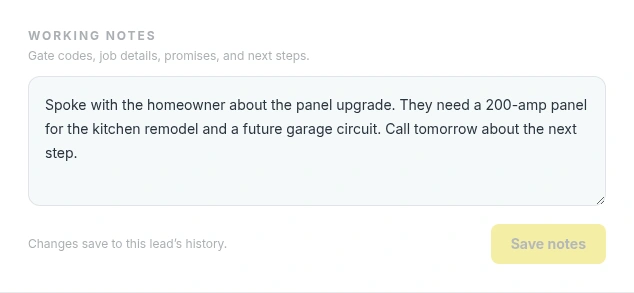
Spoke about the kitchen remodel.Next: call about the visit.Conversation saved in the CRM
04
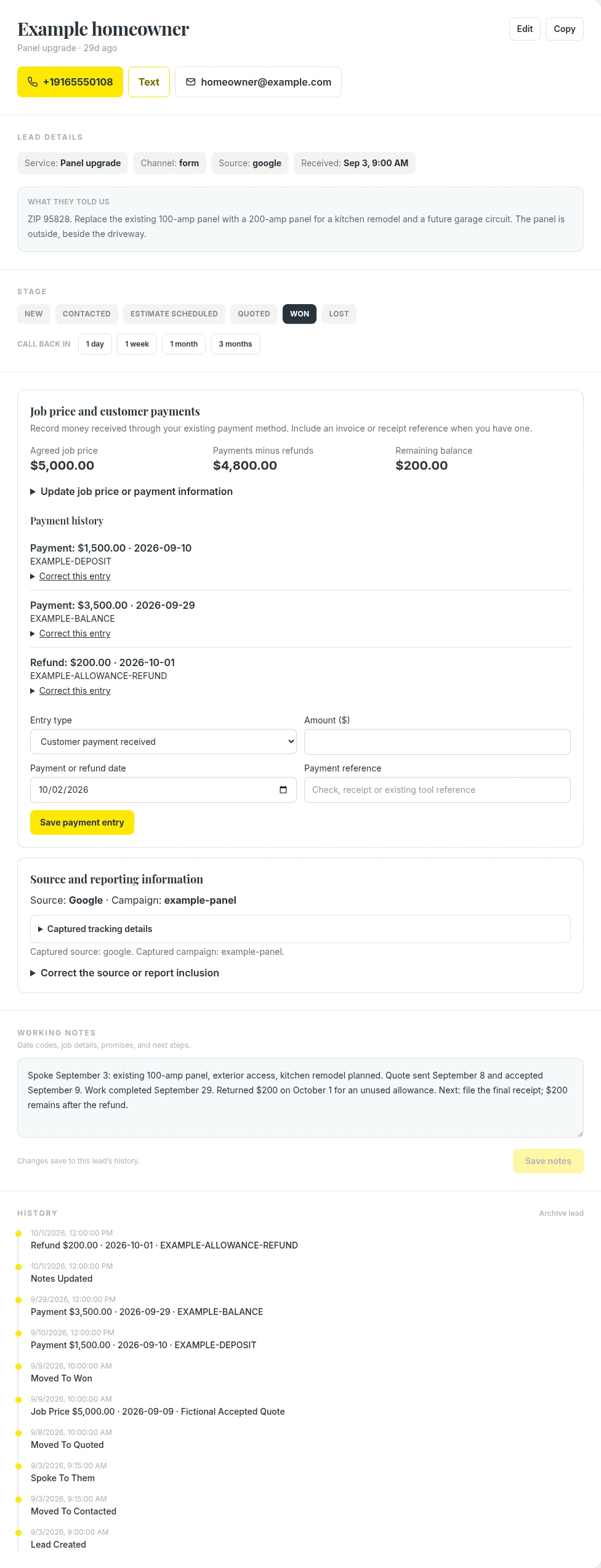
Becomes a customerThe job and payment are recorded.
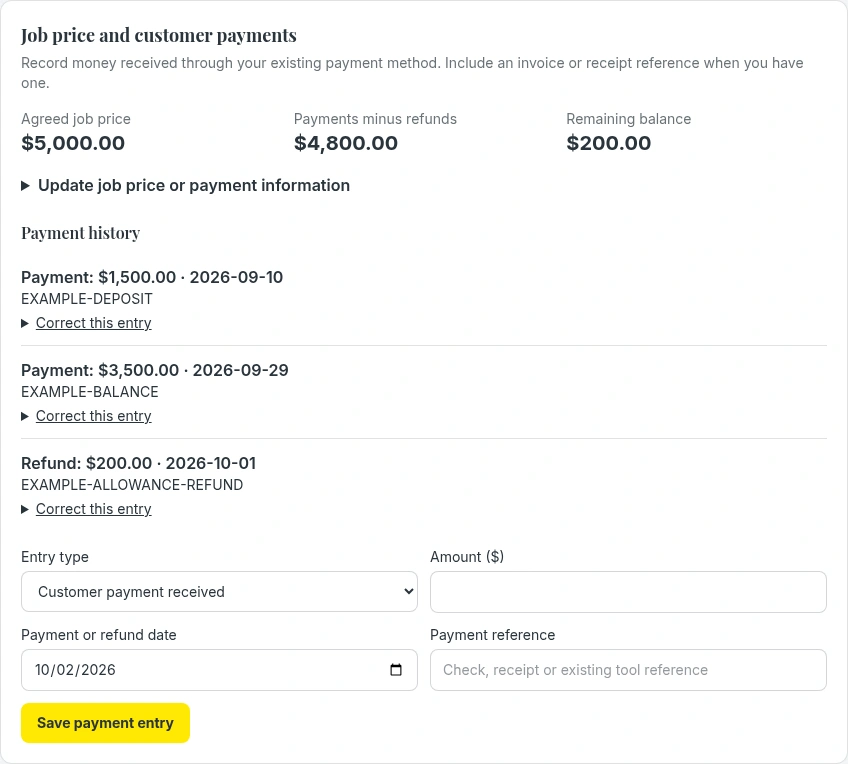
Customer payment$4,800Recorded against the same job
After a good jobAnother service. A recommendation to a neighbor.

The Google source stays with this customer from inquiry to recorded payment.

Photos, video and advertising

Your people. Your work. Photos and video that explain both.

Zulu plans the message and shot list, coordinates the photographer or videographer, and edits the material into the agreed ads and website content. Your team provides access, availability and the business facts.

We capture the people doing the work, the process, useful details and the finished result. Your scope sets the included shoots, deliverables and timing.

Follow this example from a production plan to an ad and its website destination. The shoot plan and ad are illustrative.

See the ad and offer created for Luxe’s Nails & Spa
From on-site capture to advertisingIllustrative plan · actual project photo
Illustrative panel upgrade adElectrical panel illustration in an example ad

Planning a remodel? Ask about a panel upgrade.

Free onsite visit. Written estimate. Request a callback.

Illustrative capture plan · panel upgrades

Show what a homeowner needs to understand.

  1. 01
    The person

    An electrician explains when a panel upgrade may be needed.

  2. 02
    The work

    The installation process and useful details, captured with safe access.

  3. 03
    The result

    The completed panel and the reason to ask for an estimate.

A proposed shoot plan, not footage from a completed Zulu shoot.

  1. 01Plan and capture
  2. 02Edit and run the ad
  3. 03Review the inquiries

Websites and inquiries

From attention to an inquiry.

Show the service, the area you cover and your actual work. Make it easy for the customer to call or ask for an estimate.

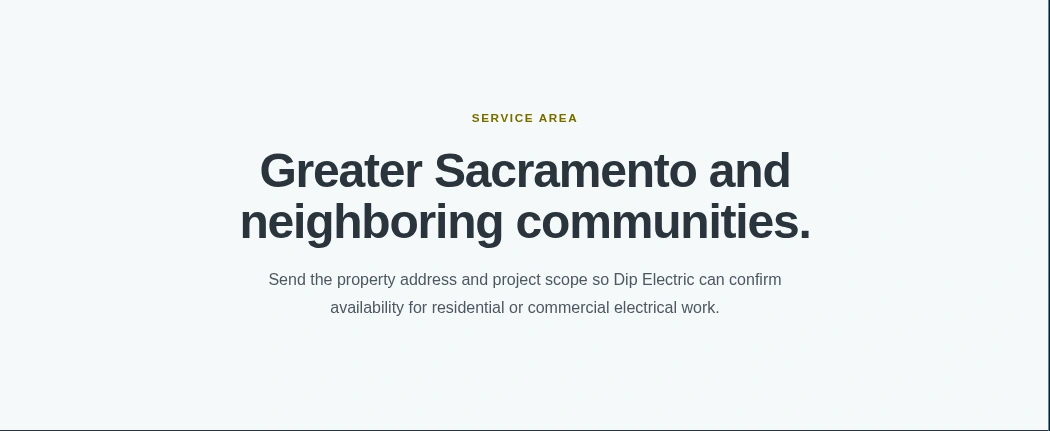
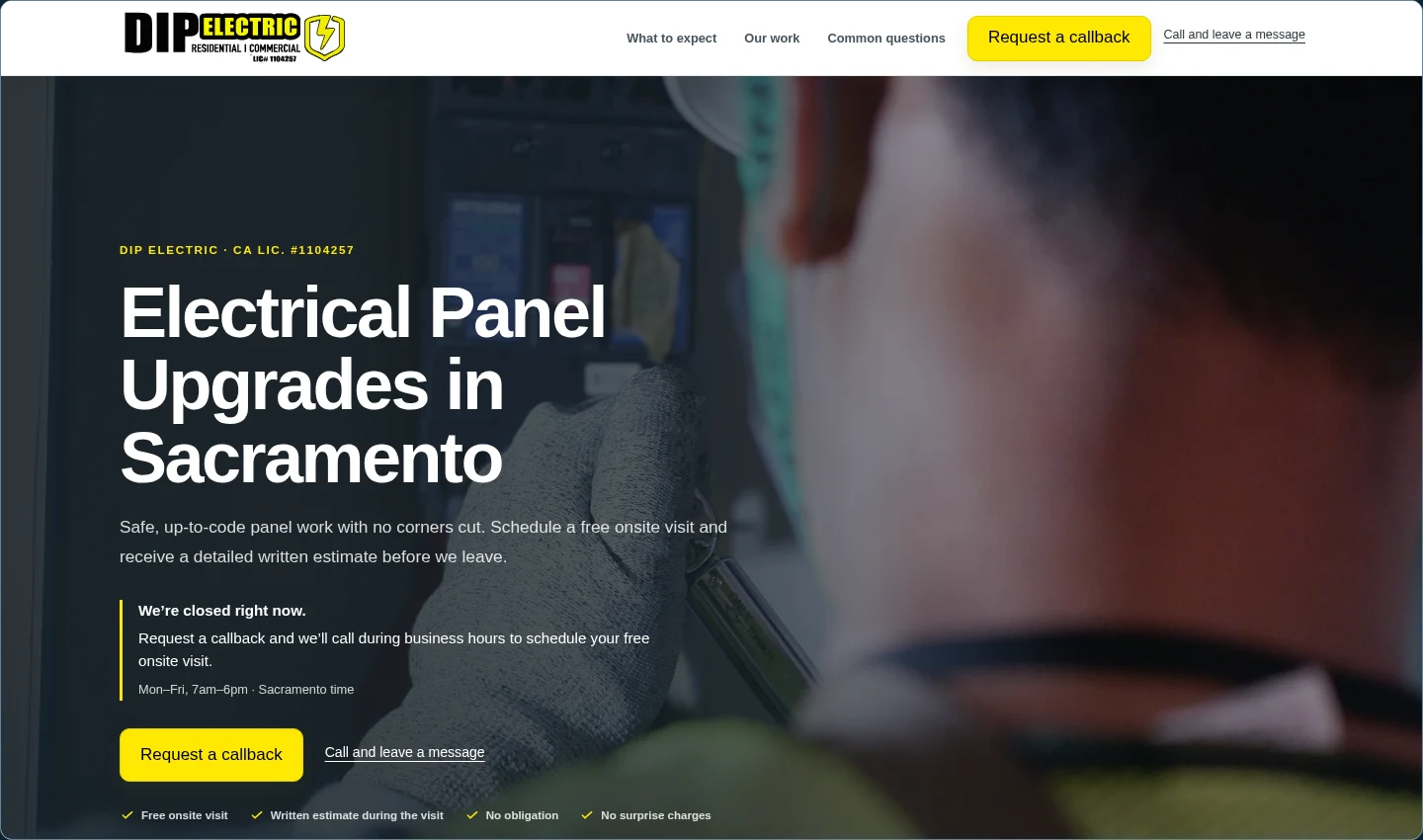
A homeowner needs a panel upgradeActual Dip website
Dip Electric · panel upgrades in Sacramento
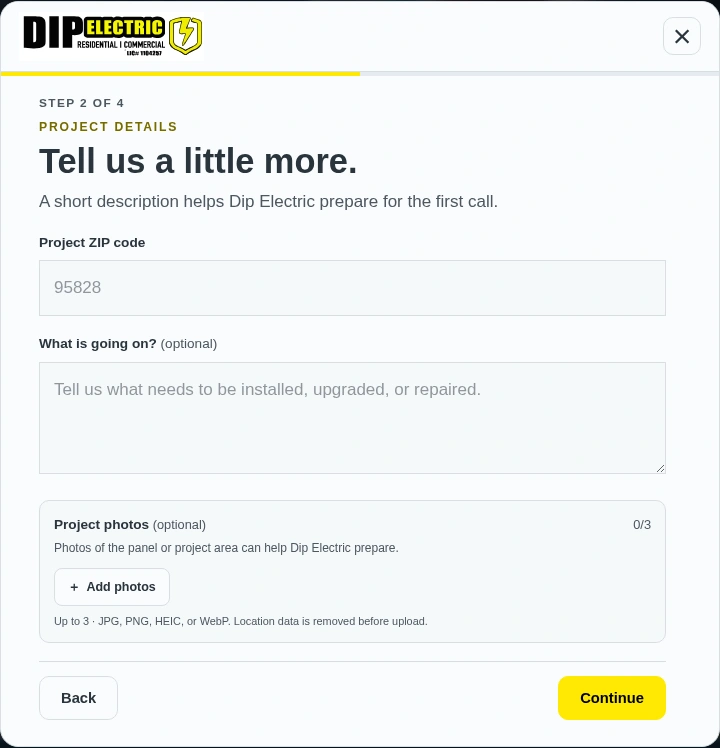
Example requestUpgrade a 100-amp panel to 200 amps.ZIP 95828 · project details + contact number
Request receivedThe team can call back about the job.
The servicePanel upgradesThe areaGreater Sacramento
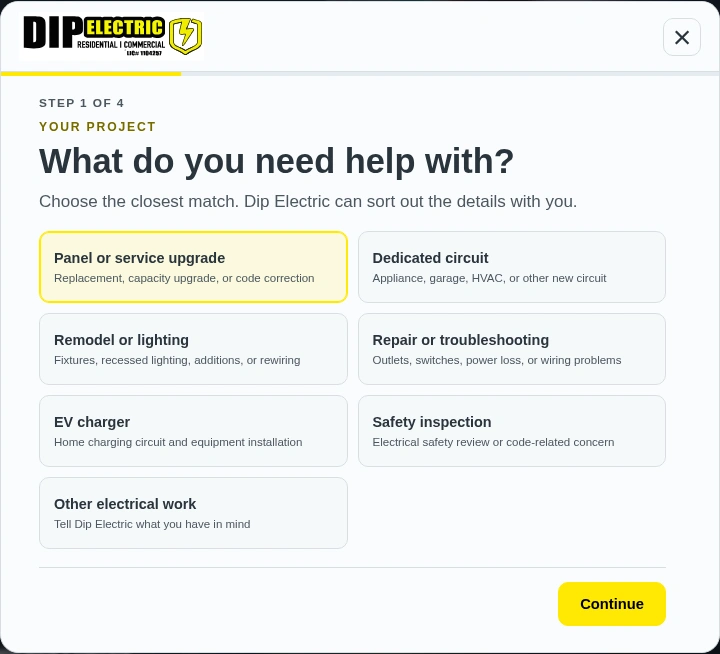
  1. 01Click the callback button
  2. 02Send project + contact details
  3. 03Receive acknowledgment

A received request is separate from a booked visit.

CRM and follow-up

From inquiry to a customer.

The CRM keeps the request, contact details and next action together. Notifications and reminders help your team follow through.

Your team answers the customer, gives the estimate and sells the job. We build the records and follow-up around that work.

See how Dip Electric records a callback
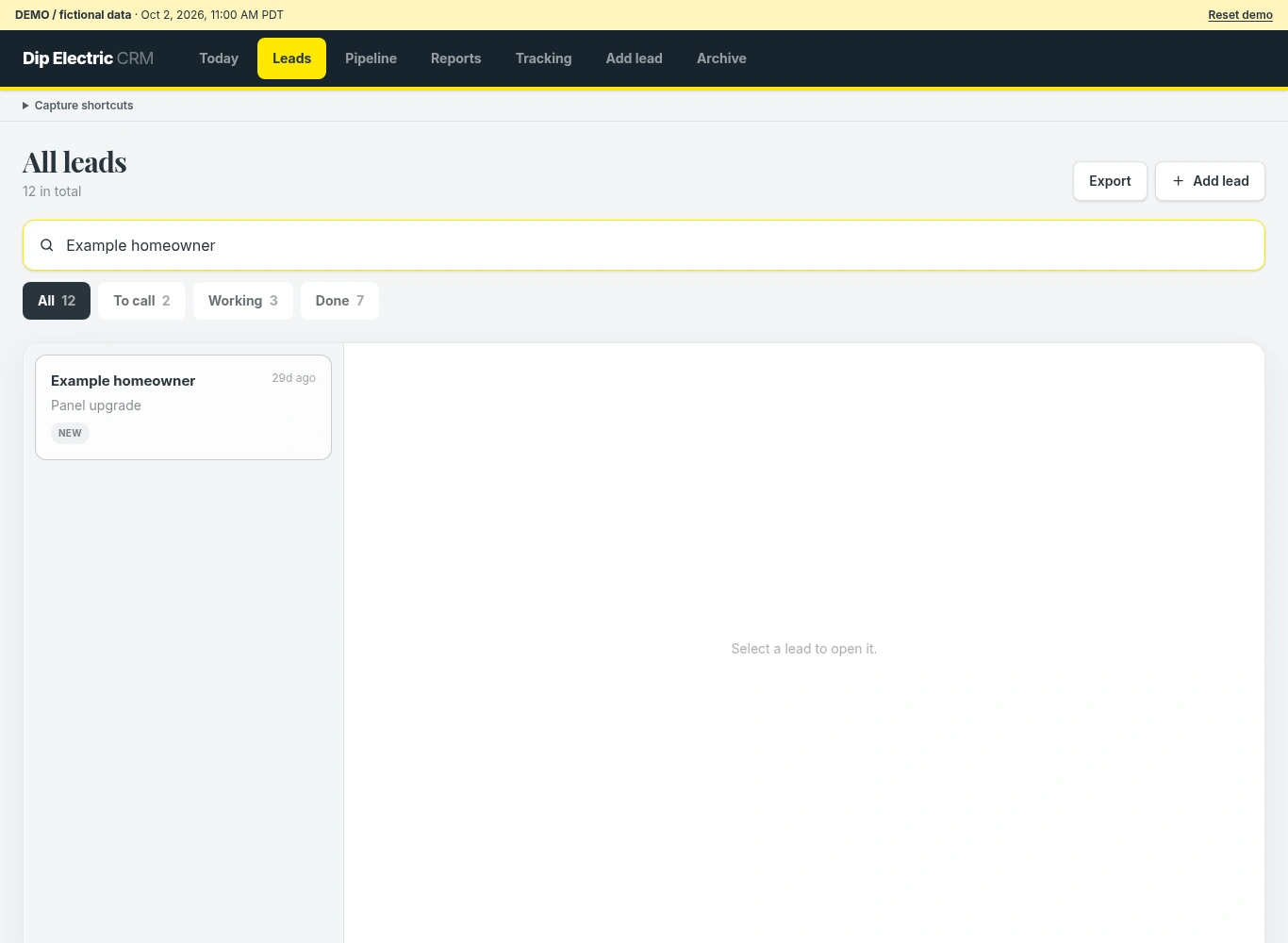
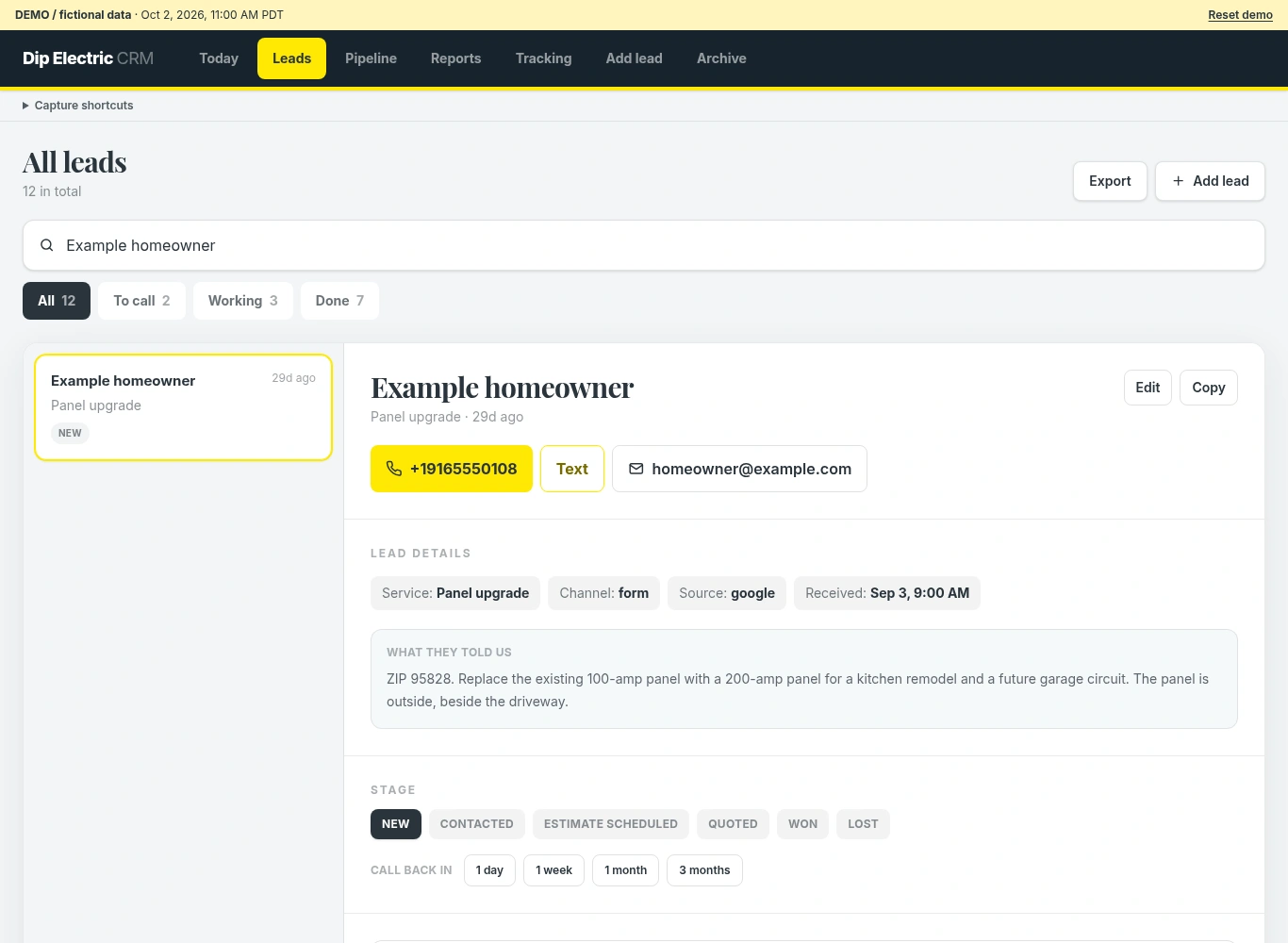
Give the team a useful next stepActual CRM · demo records
D
Example team notificationA panel-upgrade request needs an answer.
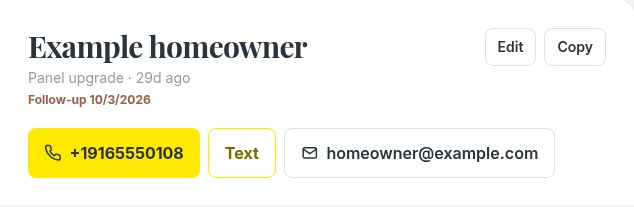
Actual CRM project details for the same fictional homeowner
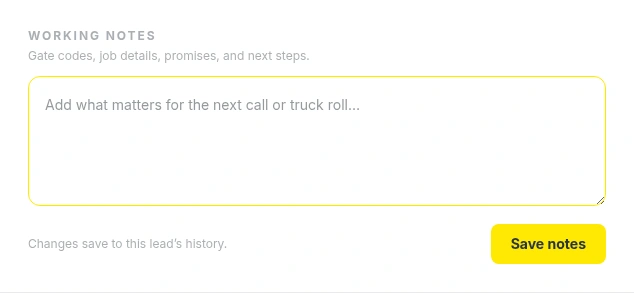
After the callSave the conversation.

200-amp panel for a kitchen remodel and future garage circuit.

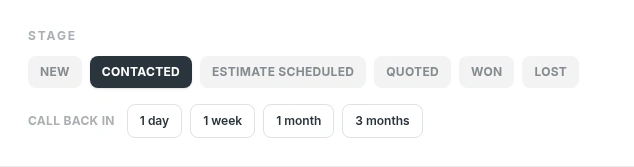
Next actionSave a callback date.

The team sees who still needs an answer.

  1. 01Request + alert
  2. 02Call + saved notes
  3. 03Reminder + follow-up
Example follow-up

“Still looking for help with the panel upgrade? Let us know a good time to call.”

Give an unanswered request another chance to become a conversation.

Alerts and messages are illustrative. Your team answers, estimates and sells the job.

The team’s daily work

Know who needs a reply and what happens next.

The CRM gives the team a work list: new requests, callbacks and estimates waiting for a decision.

Open a request to see the project and last conversation. Save the next action so the person picking it up knows what to do. Zulu reviews the customer outcomes alongside the marketing.

What needs attention todayActual CRM · fictional tasks
Callback
Nora · panel and rangeReturn the first call.
Quoted
Elena · $4,200 quoteCall at 11:30. Record her decision.
Won
Panel-upgrade customer$4,800 collected · $200 remaining.
Zulu’s work alongside yoursReview which spending became customers.

Explain what to keep running and what to change next.

The example reminder belongs to the panel-upgrade inquiry shown in the CRM. The other queue entries have their own next actions.

Repeat business and referrals

Make more money from customers you've already won.

Use relevant messages to invite another booking, explain an additional service, or ask a happy customer for a referral.

Choose the message around what you sell and what the customer would actually need.

A specific reason to contact themIllustrative messages
EH
A homeowner you already helpedAfter the panel-upgrade job
Planning to add an EV charger? We can check what your electrical setup needs.
Yes. Can you tell me what’s needed?
Next actionThe team calls about the new job.
Happy with the panel upgrade? If a neighbor needs electrical work, feel free to send them our number.
My neighbor needs a panel upgrade too.
Next actionRecord the new inquiry and who referred them.
For a salon

A reminder can invite the customer to book their next appointment.

Choose the message around what the customer needs. These are examples, not delivered messages or claimed results.

Recorded sales and costs

See what needs to improve.

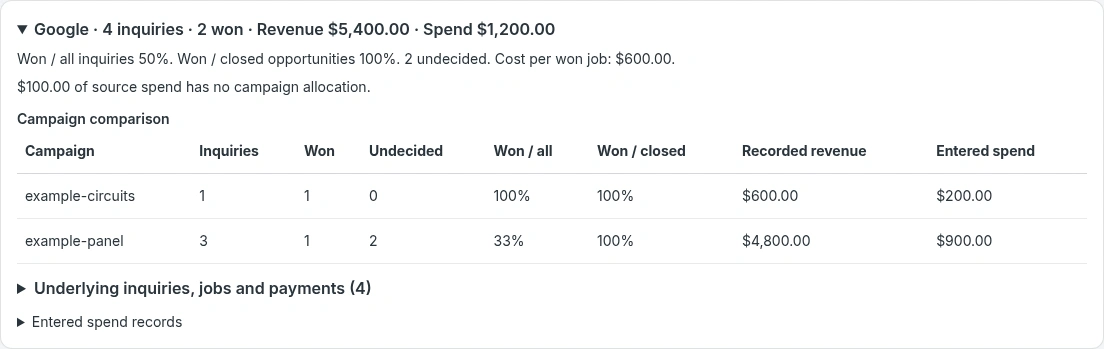
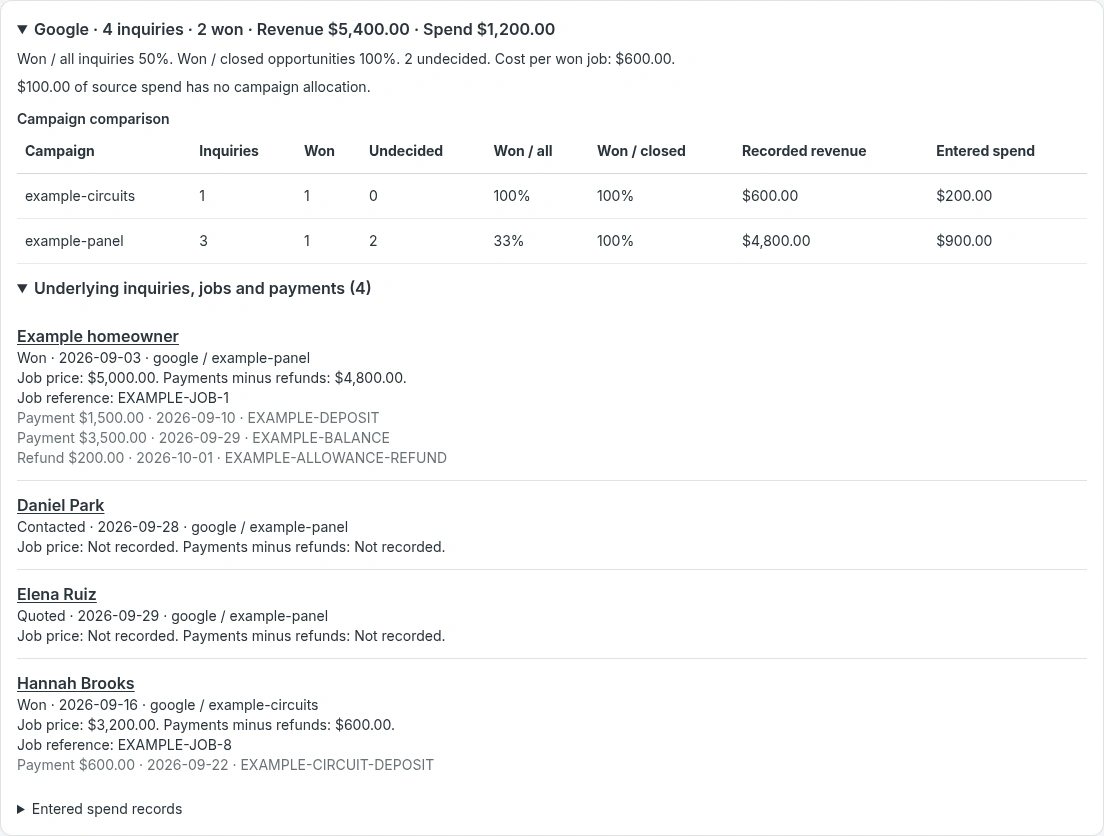
Keep the source with the appointments, estimates and sales your business records. Compare those outcomes with the spending, then decide what needs to change.

An individual payment is part of a source total. Neither is profit. Compare the collected money with job costs, ad spend and marketing fees. Unknown sources and missing sales stay visible.

Follow the money back to the sourceFictional September records
Google
Ad spend$1,200
Customers won2
Money collected$5,400
Facebook
Ad spend$600
Customers won2
Money collected$1,800
Google inquiry→Panel-upgrade job→$4,800 collected
No response recordedCall the customer.Save the answer and next action.
Wrong service requestedChange the specific ad.Show the work you want to sell.
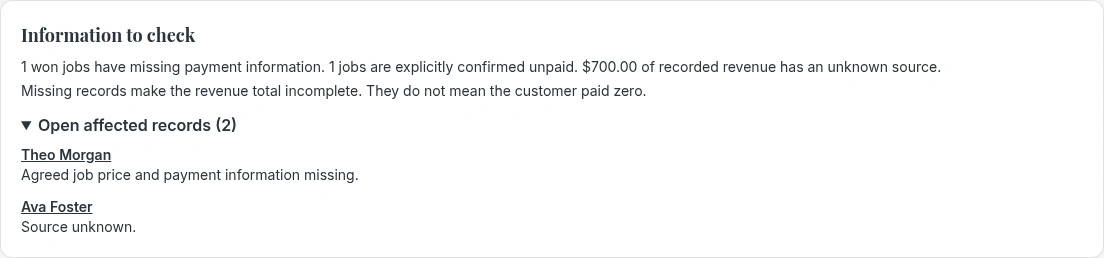
Source or payment missingCheck the record.Missing information stays visible.

The $4,800 customer is part of the Google total. Money collected is after refunds; job costs and marketing fees still matter.

A separate example month

Sales alone do not tell you what is left.

Compare the money collected with the cost of doing the jobs, advertising and marketing work. Include your other business costs when judging the result.

Illustrative amounts, not a quote or promised profit. This is separate from the fictional Dip customer records above.

Customers paid
$50,000
Doing the jobs Labor, materials and delivery
− $25,000
Advertising
− $2,000
Marketing work
− $3,000
Left after these costs
$20,000

Advertising and improvement

Choose the next change from what customers actually do.

We plan campaigns around the services you want to sell, build the ads and their destination, and review the inquiries and sales they produce. Those records help us decide what to change next.

In this illustrative example, an electrician wants panel-upgrade jobs but keeps getting small repair requests. We make the service more specific, then check the next inquiries before recommending more spending.

A reason for the next changeIllustrative example
Illustrative campaign review

The calls are for the wrong work.

The work the business wants
Panel upgrades for remodels
What some inquiries ask for
Small repairs and outlet replacements
The question to check
Does the ad explain the service clearly enough?
Broad message

Electrical services for your home.

More specific messagePlanning a remodel? Ask about a panel upgrade.
After the change

Check the next inquiries.

  1. Are more people asking for panel upgrades?
  2. Which requests become estimates and customers?
  3. Does the money collected justify the costs?

Use those answers before recommending more spending. This is an example decision, not a reported campaign result.

Read the full narrated walkthrough

The Zulu System

You want more customers, and you want to know whether your marketing is making you money. Zulu handles the ads, the website and the follow-up around your sales process. We also build your CRM: the place your team uses to manage inquiries and keep track of what happened with each customer. As you scroll, I'll show you what we'd build, how your team would use it, and how we check whether the work is paying off.

Your people. Your work. Photos and video that explain both.

Professional on-site photos and video help a customer understand your work and the people behind it. For a panel-upgrade campaign, we might plan an electrician explaining the job, the work in progress and the finished installation. Zulu prepares the message and shot list, coordinates the photographer or videographer, and edits the agreed material. Your team provides access, availability and the business facts. The scope sets the included shoots and finished pieces. The website explains the same service and gives the customer a way to ask. We run the campaign and review the inquiries it brings.

From attention to an inquiry.

Say a homeowner is looking for an electrical panel upgrade. Before they call, they want to know whether you do that job, serve their area, and how to get an estimate. We build the ad and the page around those questions, with the service, examples of the work and a clear way to contact you. That helps someone looking for that specific job decide whether your business is worth calling.

From inquiry to a customer.

Someone asks for an estimate while you're out on a job. We put that request in your CRM with their contact details and what they need done. Your team gets notified, and we set up reminders for anyone who still needs a call. After the call, the team can record the conversation, book the estimate, or set a reminder if the person needs more time. We can also set up email or text follow-up for people who haven't booked. Your team answers the questions and sells the job. We build the records, notifications and messages that help them follow through.

Know who needs a reply and what happens next.

During a busy week, your team needs to know who still needs a call, which estimates are waiting on an answer, and which jobs were won. The CRM gives them that work list. Open a request and the project details and last conversation are there together. Set the next callback, and the date stays with that inquiry. The person picking it up knows what to do next. Zulu keeps the campaigns running and reviews which inquiries became customers and recorded sales. Your team handles the customers; we handle the agreed marketing around them.

Make more money from customers you've already won.

Past customers already know your business. We can use the CRM to remind them to book another service, tell them about something else you offer that they might need, or ask them to recommend your work. For a salon, that could be a reminder to book the next appointment. For a contractor, it could be asking a happy homeowner for a referral after the job is done. We choose the messages around what you sell and what gives that customer a reason to buy again or send someone your way.

See what needs to improve.

To know which marketing brought in money, we need to know what happened after the inquiry. Your team records the appointment, estimate, sale and what the customer paid in the CRM, or we connect that information from tools you already use. Then we can look at where leads are getting lost. If people ask for estimates but nobody calls them back, we work on the response and reminders. If an ad keeps bringing inquiries for services you don't offer, we work on the ad. When the source or sales information is missing, we explain the gap.

Choose the next change from what customers actually do.

The next change should follow what the business is seeing. Suppose an electrician wants panel-upgrade jobs, but the ad keeps bringing small repair requests. We check the message and the inquiries, then make the service more specific in the ad and its destination. After that change, we look at whether more of the new requests are for the work the team wants. That is a useful next decision before increasing spending. Your business may need a different starting point. We explain the change and cost, and keep the tools that already work.